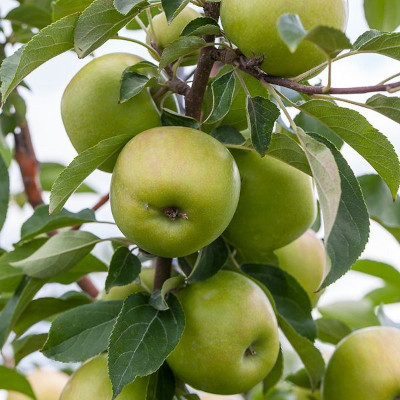
The Limelight apple is a crisp, sweet, juicy-eating apple with a refreshing rich flavour. An improved Greensleeves type with clear smooth, glowing green-yellow skin often with a faint pink blush. Easy to grow, self-fertile and disease resistant. With a long cropping season from mid-September, the apples will store well until November. The estimated time to cropping once planted is 2 years. Delicious to eat and good for juice.
Limelight apple trees produce crisp, sweet, juicy eating apples with a refreshing rich flavour. An improved Greensleeves type with transparent smooth, glowing green-yellow skin often with a faint pink blush. Easy to grow, self-fertile and disease resistant. Malus domestica ‘Limelight’ has a long cropping season from mid-September, the apples will store well until November. The estimated time to cropping once planted is 2 years. Limelights are delicious to eat and good for juice.
Cultivation: Easy to grow, Self -fertile, heavy cropper.
Soil: Fertile, well-drained soil
Position: Limelight apples like full sun, partial shade
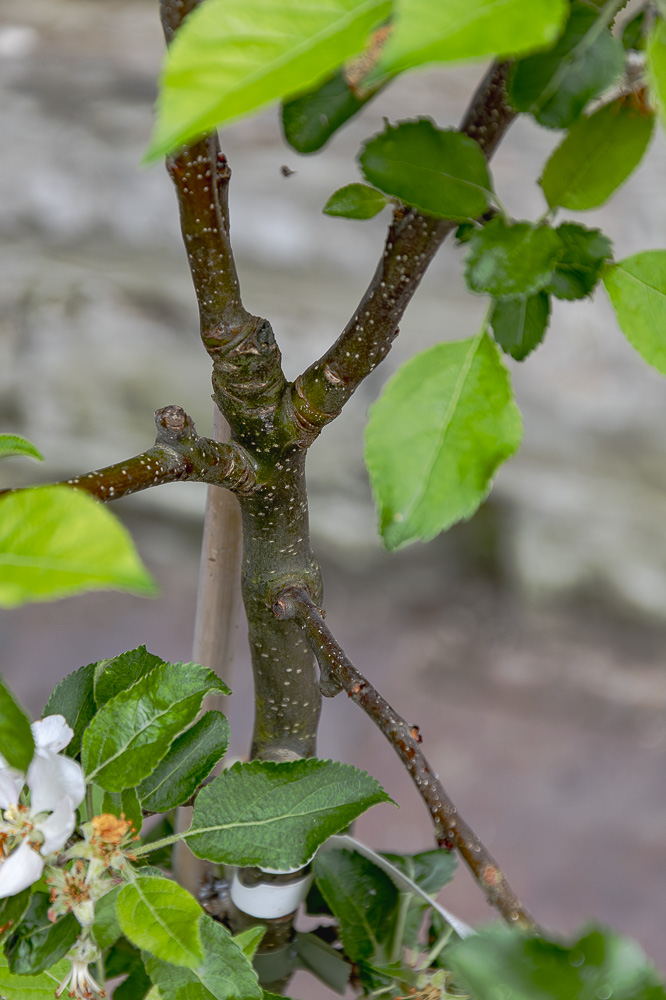
Foliage: Deciduous
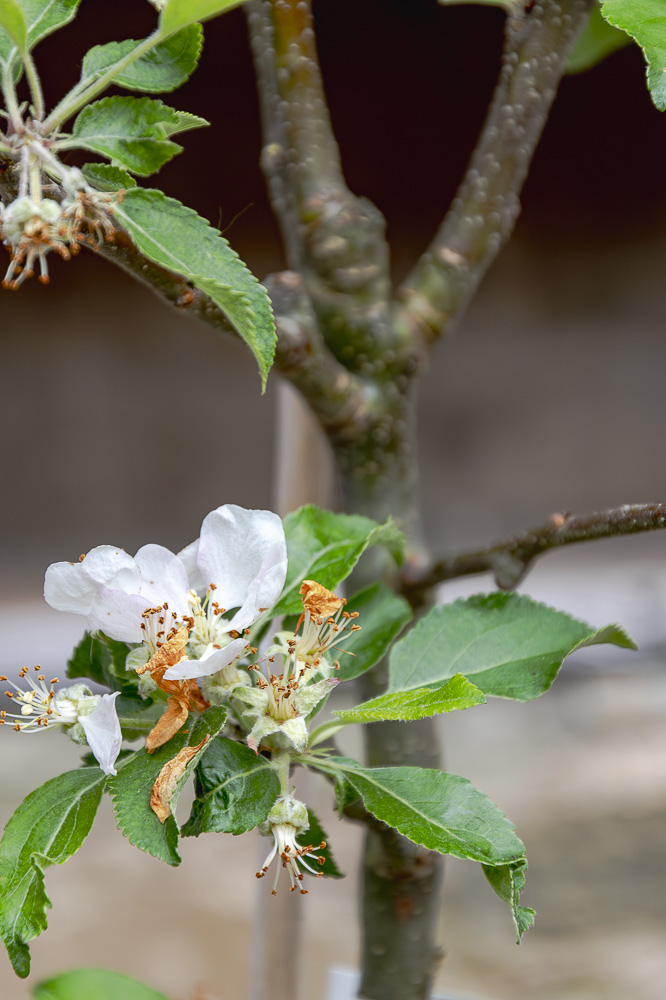
Flowering: Malus domestica Limelight flowers in April/May
Fruiting: September
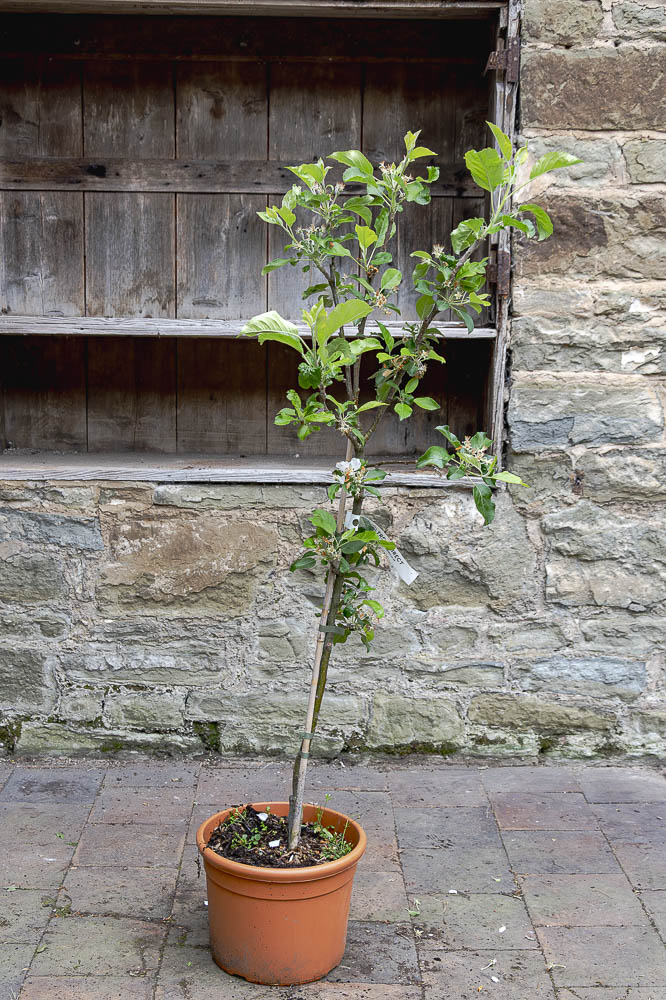
Habit: Compact shape
Hardiness: Limelight Apples are fully hardy
Growth: Average
Benefits to Wildlife: Yes, all wildlife
Height & Spread in Maturity:
MM106 rootstock: 3.5 metres x 3 metres (12 x 10ft) M26: 2.5 metres x 2 metres
Awarded an RHS Award of Garden Merit
Limelight garden care: Keep the base of this apple tree weed free, fertilise at the beginning of each year and water regularly during hot, dry spells. The main prune should be done in the winter as long as it isn’t frosty or freezing. Take out the 3Ds (dead, dying and diseased wood) and create an open shape. Then reduce the leaders back by a third. Aim to create an airy structure without any crisscrossing branches. Summer prune in August by shortening any side shoots (or laterals) which are longer than 20cm back to three leaves. This will allow the sun to ripen the fruit and encourage more fruit buds. Make sure that the growth you’re cutting away feels firm to the touch.



 Attracts
 Blossom Colour
 Flowering Period
 Habit (Shape)
 Hardiness
 Height (when grown)
 Leaf Colour
 Lighting
 Position
 Soil Type
 Pollination Group