Magnolia Aphrodite Trees
£120.00
Details:
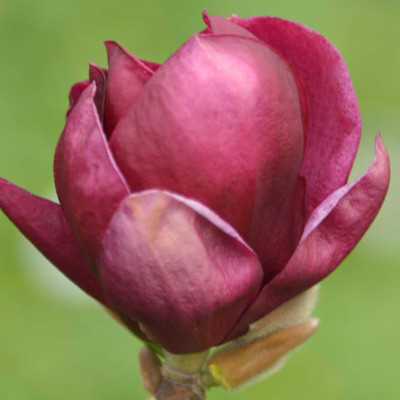
Magnolia Aphrodite is a small deciduous tree producing beautiful goblet-shaped magenta, deep-pink flowers on bare branches in late spring. A lovely tree blooming later than most other magnolias, it is a good choice for more exposed or northern areas as its late buds avoid a late frost.
| Bees | |
| Pink | |
| Apr | |
| Broad | |
| Average (Average winter), Hardy (Cold winter), Tender (Needs protection) | |
| 3-5m | |
| Green | |
| Full Sun, Partial Sun, Shade | |
| Exposed, Sheltered, Some Protection | |
| Acidic, Chalky / Alkaline, Clay, Most soils, Well-drained |

Description
Magnolia Aphrodite is a small deciduous tree producing beautiful goblet-shaped magenta, deep-pink flowers on bare branches in late spring. A lovely tree blooming later than most other magnolias, it is a good choice for more exposed or northern areas as its late buds avoid a late frost.
This Magnolia pink flower is an upright spreading specimen tree that can be planted in a sunny or partial shade position on a lawn, in courtyards, and in-country gardens giving much pleasure in springtime with its gorgeous array of pink flowers followed by soft green leaves.
Magnolias are adaptable to most soil. If the soil is chalky, mix a good amount of ericaceous compost when planting and apply an acidic mulch in early spring. Such pruning as necessary can be done straight after flowering or in late summer.
Cultivation: Specimen, courtyards, city and country gardens
Soil: Slightly acid soil, moist, well-drained, fertile
Aspect: Sun, partial shade, sheltered
Foliage: Deciduous
Flowering: Magenta pink on bare branches in April
Fruiting: No
Habit: Upright, spreading
Growth: Medium
Fragrance: Faint
Benefits to Wildlife: Some
Height & Spread in maturity: 4m x 3m
History: Magnolia Aphrodite was created by a German grower Michael Gottschalk from Black Tulip x Deep Purple Dream. Aphrodite is aptly named after the Greek Goddess of love and beauty.
Discovered by French botanist Pierre Magnol, Magnolias are native to the Far East and the Americas and are one of the oldest plants in the fossil record.