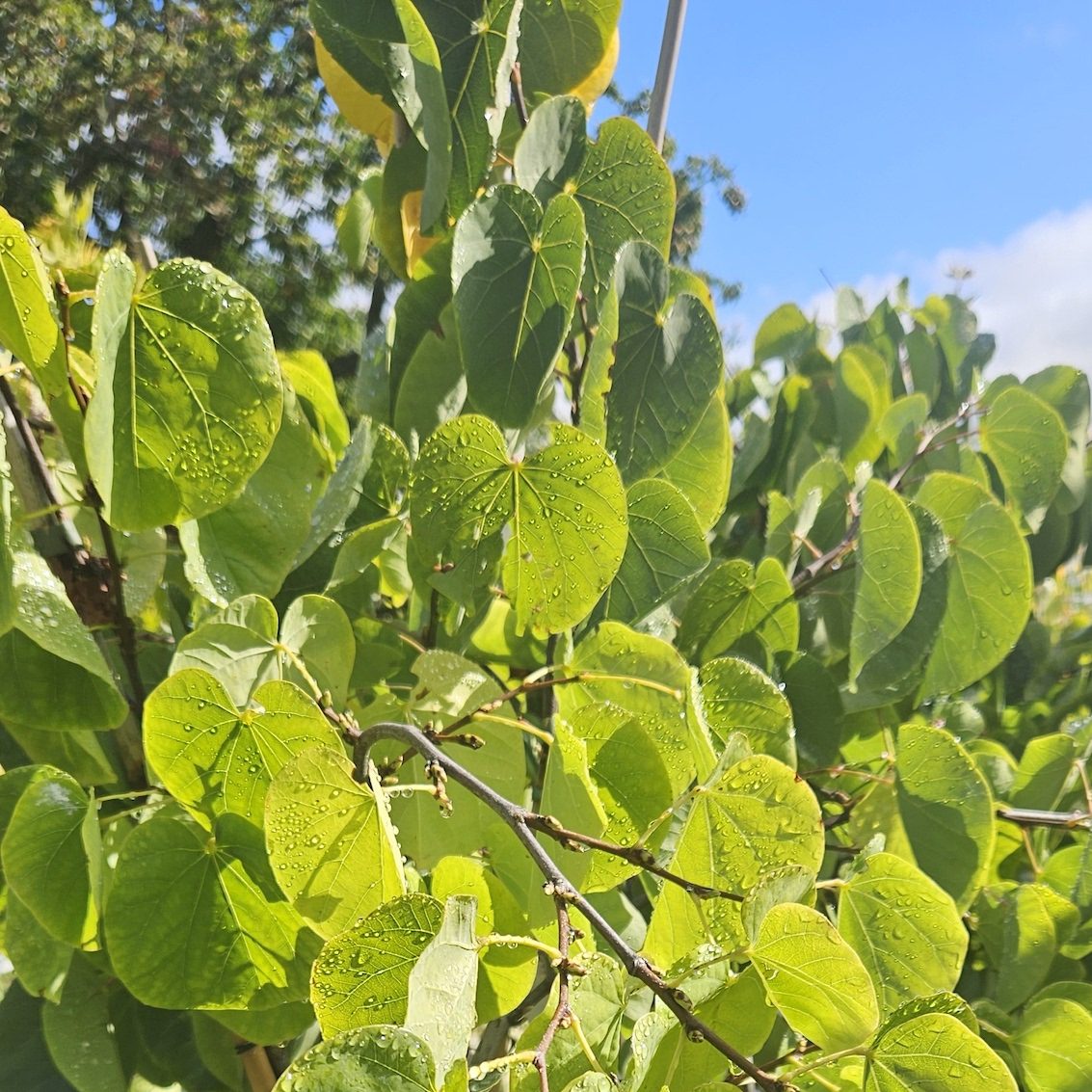
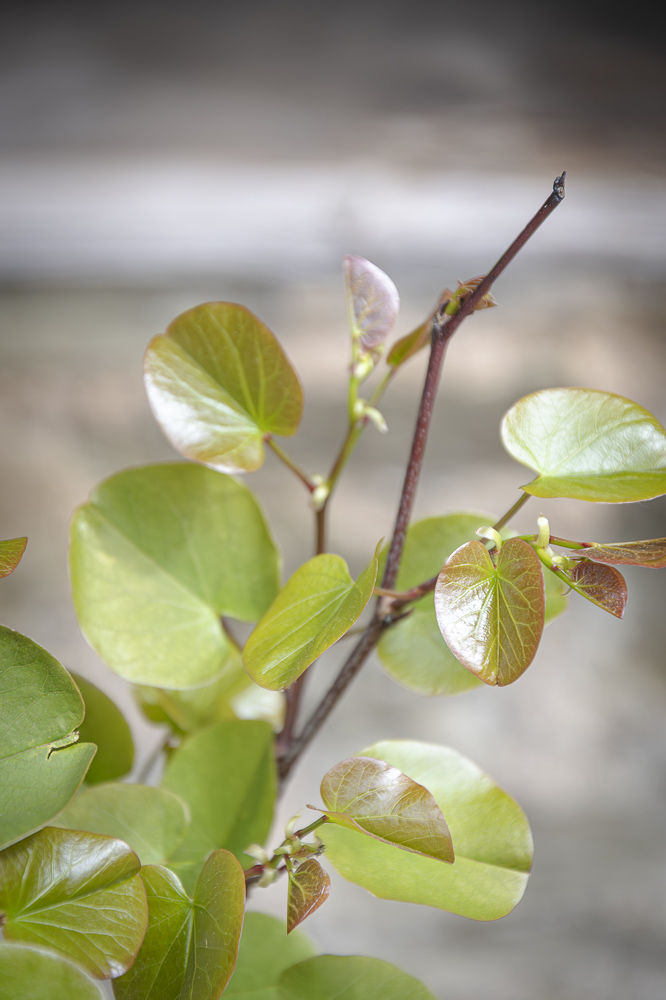
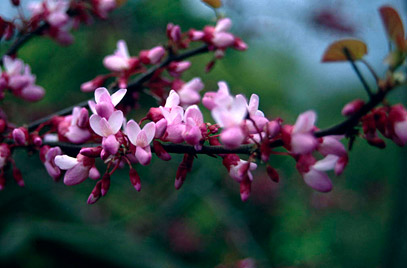
The Judas tree is a beautiful rounded bushy tree renowned for its heart-shaped bright green leaves and small pea-like bright lilac-pink flowers. A deciduous tree, it needs to be planted in a warm sheltered sunny position and if happy, you will be rewarded with a wonderful abundance of flowers in late April/May, opening before or with the leaves. Followed by hanging clusters of purple/red flattened seed pods with the leaves turning to yellow in autumn.
Acidic, Chalky / Alkaline, Clay, Most soils, Well-drained
JAN
FEB
MAR
🍃
APR
🌸🍃
MAY
🌸🍃
JUN
🍃
JUL
AUG
🍃
SEP
🍃
OCT
🍃
NOV
DEC
🌸 Flowering🍏 Fruiting🍃 Leaves
Description
The Judas tree – Cercis siliquastrum is a beautiful rounded bushy tree renowned for its heart-shaped bright green leaves and small pea-like bright lilac-pink flowers. A deciduous tree, it needs to be planted in a warm sheltered sunny position and if happy, you will be rewarded with a wonderful abundance of flowers in late April/May, opening before or with the leaves. Followed by hanging clusters of purple/red flattened seed pods with the leaves turning to yellow in autumn.
Judas trees will thrive on most fertile well-drained soils and is reasonably drought tolerant. A wonderful tree, growing to a height of about 8m x 5m in maturity it is important the Cercis siliquastrum has warmth and protection to flourish thus giving great beauty in a garden. Best grown in the south of the UK. An RHS pollinator for Bees
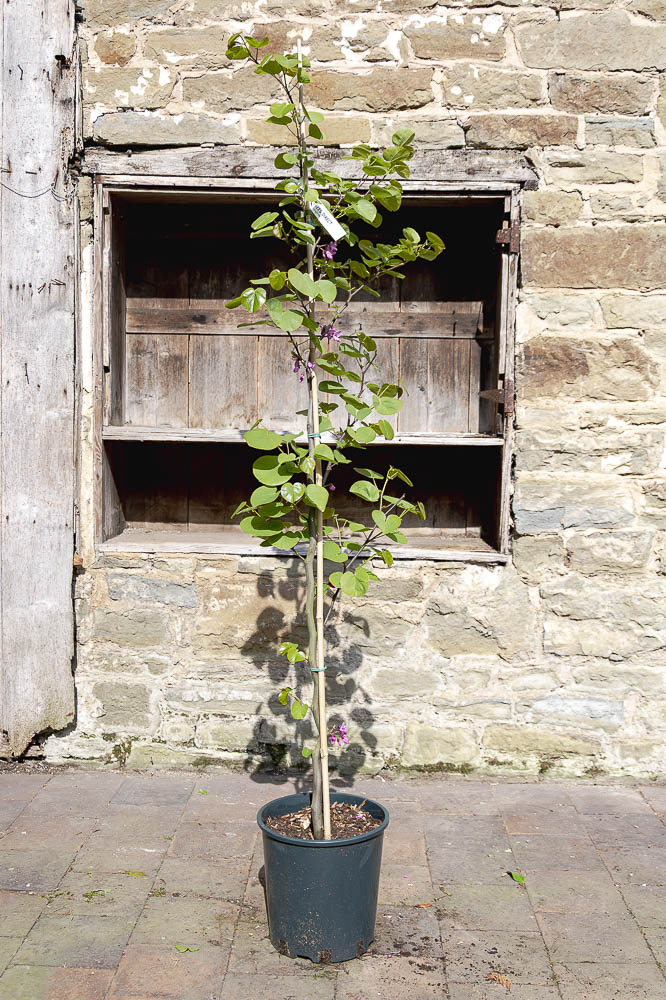
Flowering: Bright lilac pink pea flowers in Late April-May
Fruiting: Purplish-red hanging seed pods
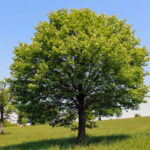
Habit: Rounded small-medium tree
Hardiness: Hardy.
Growth: Average
Benefits to Wildlife: Especially bees
Height & Spread in Maturity: 8m x 5m
Of Interest: A native of Southern Europe and Western Asia and thought to have arrived in Britain in the 17th Century.
A member of the Legume family along with peas and beans Cercis siliquastrum is a tree that hosts Bacteria which can absorb atmospheric nitrogen, making it available in the soil. Commonly known as ‘Nitrogen fixer’ AMAZING



 Attracts
 Blossom Colour
 Flowering Period
 Habit (Shape)
 Hardiness
 Height (when grown)
 Leaf Colour
 Lighting
 Position
 Soil Type