Blackthorn Trees
£25.00 – £35.00Price range: £25.00 through £35.00
Details:
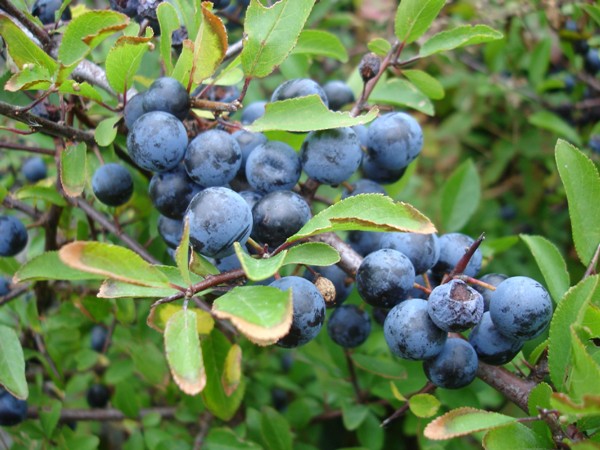
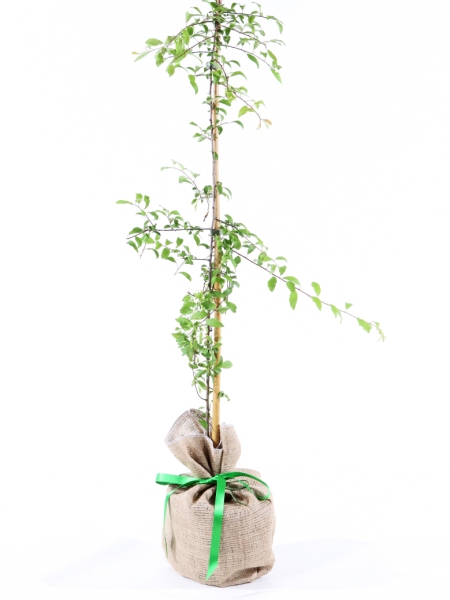
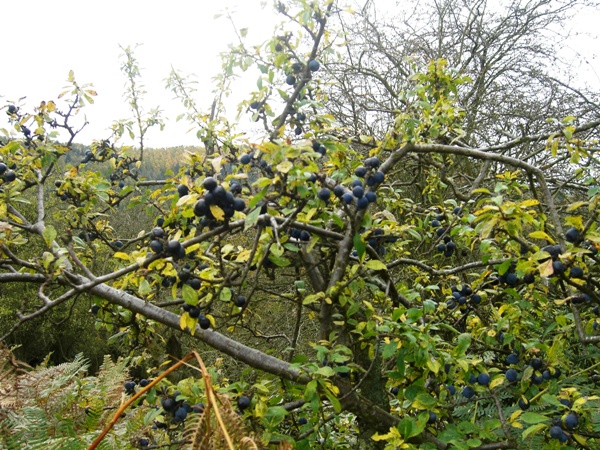
The Blackthorn tree is a deciduous spiny bushy tree generally found in hedgerows. It is one of the first trees to flower in spring with tiny saucer-shaped pale pink flowers from early to mid spring followed by small blue-black sloe-berries in late August. Notoriously hardy and drought resistant.
| Bees, Wildlife | |
| White | |
| Mar | |
| Aug, Nov, Oct, Sep | |
| 3-5m | |
| Hedging | |
| Hardy (Cold winter) | |
| Green | |
| Full Sun | |
| Exposed, Sheltered | |
| Acidic, Chalky / Alkaline, Clay, Most soils, Well-drained |

Description
Blackthorn is a notoriously hardy shrub. Traditionally found in hedgerows, it may be planted in most soils including sandy or clay-heavy soils and survives periods of drought that destroy other hedge plants. When planting blackthorn, however, make sure to pick a shade-free spot, as this shrubby little tree adores full sun. It is also a useful plant as it tolerates exposure to cold. Makes a good protective hedge.
The fruit, called a “sloe” are black with a purple-blue waxy bloom, ripening in autumn, and harvested traditionally in October or November after the first frosts. Sloes are thin-fleshed, with a very strongly astringent flavour when fresh. The berries are beneficial to birds and other wildlife. The berries are the essential ingredient for making Sloe Gin. The tree will come with a recipe for ‘Sloe Gin’ – so delicious on a cold winter’s day…
Soil: Moist, well drained soil
Light: Full sun
Hardiness: Fully hardy
Height and Spread in Maturity: 4m x 3m
A recipe for SLOE GIN
Allow 1lb of sifted white sugar to 1lb of sloes. Prick the sloes and roll them in the sugar. Fill the bottles half full of sloes, and then pour in the gin till it reaches the top. Keep in a cool dark place. Do not uncork the bottle for at least six months. The longer you leave it the better it will be!