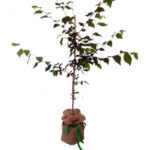
We have been given permission from Defra to sell Britian’s beloved Ash trees again. So let us get planting to bring back the old familiar sight of the Ash on our landscape.
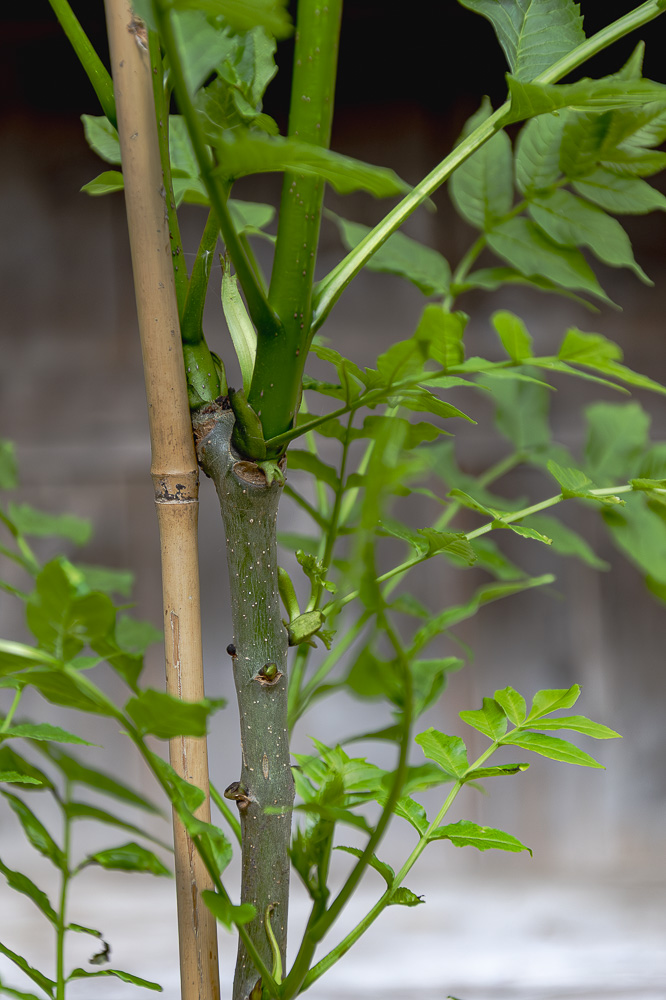
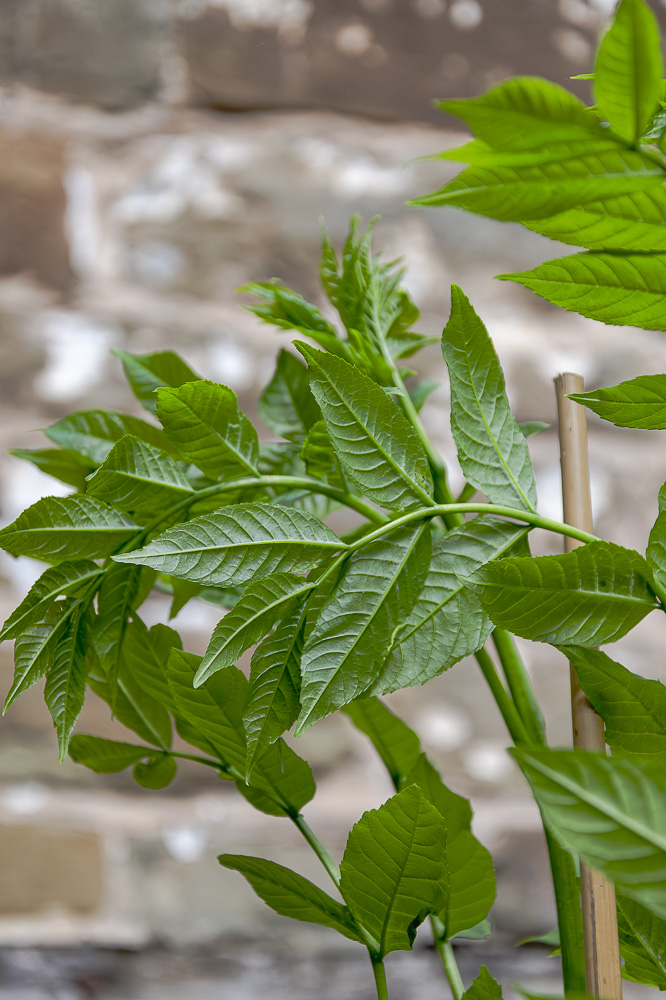
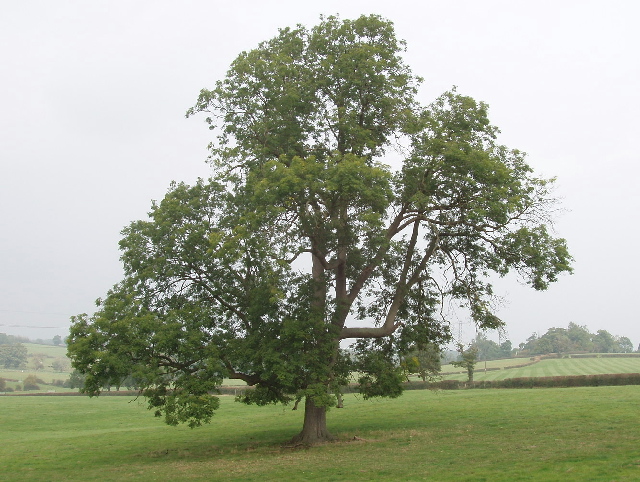
A beautiful graceful tree with spreading branches, curving downwards and the rising up to give a wonderful outline with a pale brown bark turning to grey as it ages. Identified in winter by its smooth twigs with distinctive velvety black leaf buds. The Ash comes into leaf much later than other trees in Britian. The beautiful softly feathery leaves usually start appearing in late April followed by clusters of insignificant purple flowers.
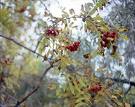
In Autumn the famous winged seeds, ‘Ash Keys’ appear in large clusters, often lasting into the winter where they then spin as they drop and spread their seeds. The Ash is a source of food and help to wildlife whilst offering nesting homes to birds.
Ash trees are a member of the Olive family (Oleaceae). They thrive best in fertile, deep and well-drained soil in cool atmospheres. A native to Europe, Asia Minor and Africa, it is also found from the Arctic Circle. It is our third most planted tree in Britain, long lived to a grand age of around 300 years. Ash likes full sun in South, West and East exposed or sheltered position. With a mature height & spread of 30m x12m
Cultivation: Woodland,, coastal areas, parks, informal / wildlife gardens
Soil: Fertile, deep, well-drained. Chalk, Sandy, Clay, Loam
Position: Full sun, south, east, west facing. Sheltered, exposed
Foliage: Deciduous feathered green leaves, yellow autumn colour
Fruit: Clusters of winged seeds, late summer & autumn
Flowering: Small purple flowers before the leaves
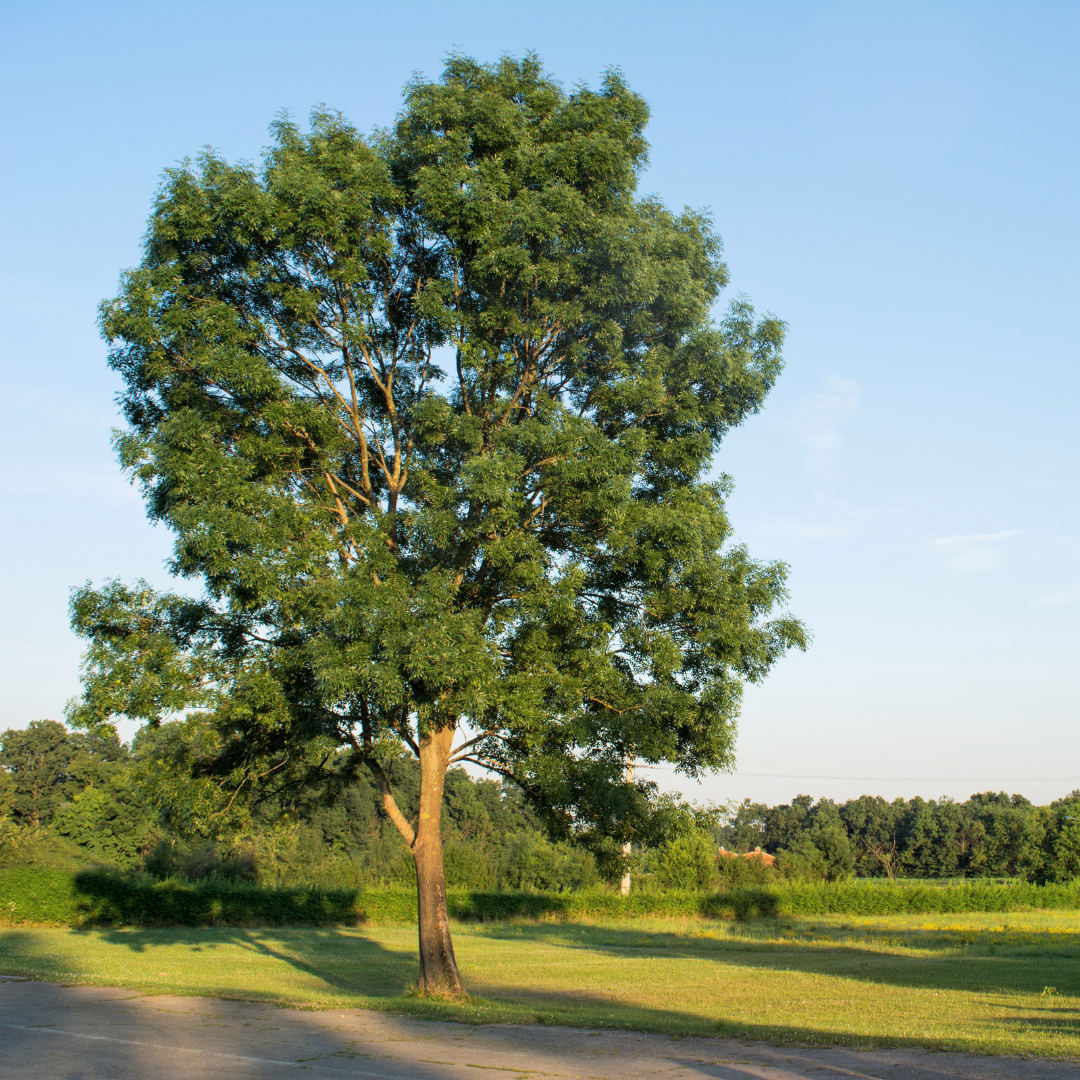
Habit: Domed canopy
Hardiness: Fully hardy
Growth: Vigorous
Benefits to Wildlife: Very helpful to wildlife
Height & Spread in maturity: 30m x 12m
Value to wildlife: Ash trees make the perfect habitat for a number of different species of wildlife. The airy canopy and early leaf fall allow sunlight to reach the woodland floor, providing optimum conditions for wild flowers such as dog violet, wild garlic and dog’s mercury. In turn, these support a range of insects such as the rare and threatened high brown fritillary butterfly.
Bullfinches eat the seeds, woodpeckers, owls, redstarts and nuthatches use the trees for nesting. Because the trees are so long lived, they support deadwood specialists such as the lesser stag beetle. Ash is regularly accompanied by a hazel understorey, providing the ideal conditions for our endangered dormice.
Ash bark is often covered with lichen and moss. The leaves are an important food plant for the caterpillars of many species of moth, including the coronet, brick, centre-barred sallow and privet hawk-moth.
Mythology & Symbolism: A sacred tree, the belief that the essence of the humankind originated from the Ash tree was extant in many ancient world cultures. From Greece to northern Europe the ancient myths of the gods and goddesses shows the strength of the tree’s role within the inner and outer world of humans.
Healing: Associated with rebirth and new life, especially with the healing of children. The young immature seeds of the ash are edible and often used in herbal medicine.
Magic: Ruling Planet – Sun. Abilities – Inner & Outer worlds linked. Marriage bed of opposites – Quick intellect – Clarity – Aquarian Age energy – Element water. Season: Summer:



 Attracts
 Blossom Colour
 Flowering Period
 Habit (Shape)
 Hardiness
 Height (when grown)
 Leaf Colour
 Lighting
 Position
 Soil Type