 Soil Type Soil Type | Acidic, Chalky / Alkaline, Well-drained |
|---|---|
 Habit (Shape) Habit (Shape) | Broad |
 Position Position | Exposed, Sheltered, Some Protection |
 Hardiness Hardiness | Hardy (Cold winter) |
 Flowering Period Flowering Period | Feb, Mar |
 Attracts Attracts | Bees, Wildlife |
 Height (when grown) Height (when grown) | 12-17m |
 Lighting Lighting | Full Sun |
 Blossom Colour Blossom Colour | Pink, White |
 Leaf Colour Leaf Colour | Gold, Green |
| Fruiting Period | Aug, Oct, Sep |
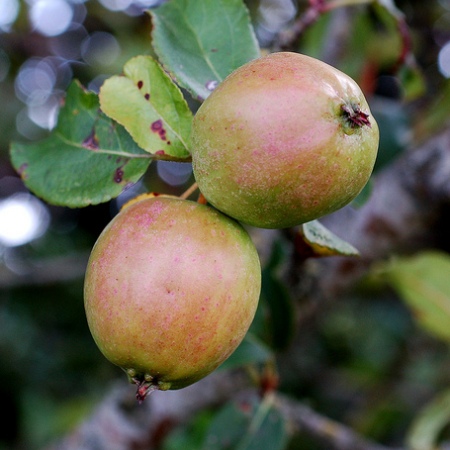
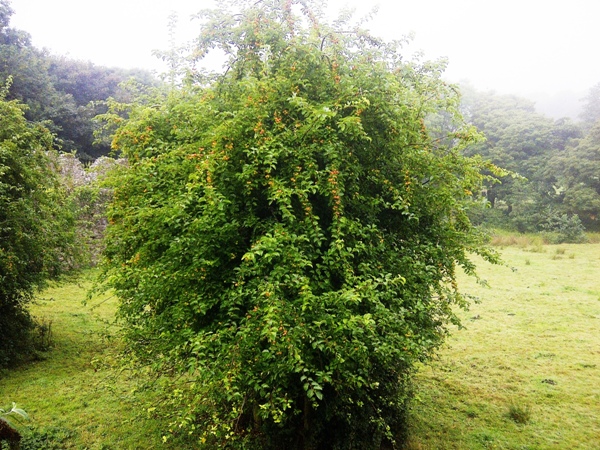
A small rounded tree with ovate leaves and clusters of pink-tinged white flowers in late spring, followed by yellow-green (sometimes red-flushed) apples in autumn. Grown wild throughout Britain since time began, it is an uncomplicated tree which can grow in most lights. Crab Apples prefers moist well-drained alkaline to neutral soil but will grow on chalk, sand, clay or loam. Traditionally they are very easy and disease-resistant so a wonderful addition to any garden.
The flowers and fruit are a valuable source to bees, insects, birds and wildlife such as dormice and hedgehogs. There are many different varieties but this is the classic. Crab apples are much more sour than normal eating apples but they are wonderful when cooked, if the birds don’t get them first.
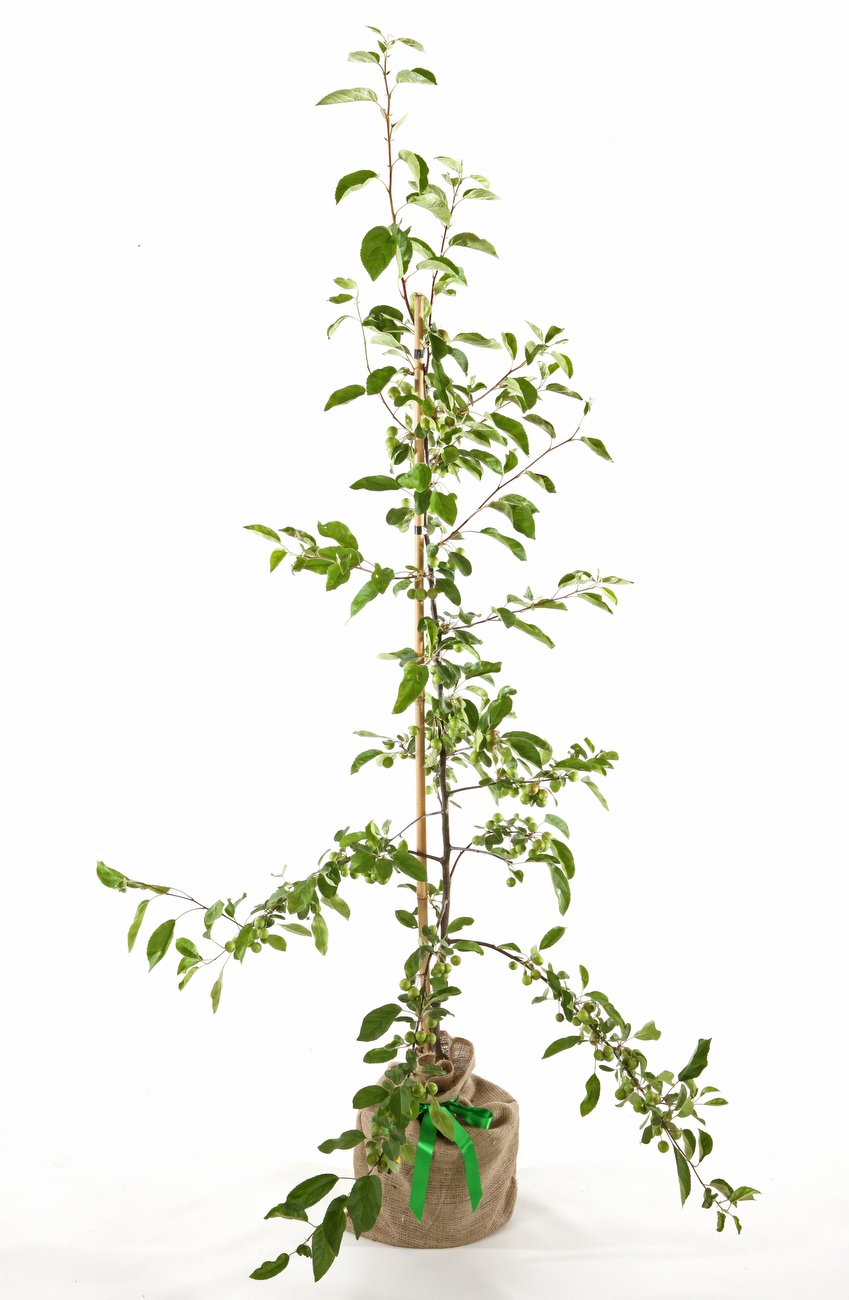
When planting, it’s a good idea to include lots of well-rotted garden compost in the planting hole and stake firmly. In spring, make sure to give them a good prune, then mulch and perhaps use a seaweed solution. In summer, enjoy your tree and come autumn collect the fruit for delicious crab-apple jelly. In winter, prune any dead, diseased and crossing branches and compost again while the tree is dormant.
This crab apple tree has a very long flowering period, so belongs to all the pollination groups. It is ideal to use as a pollinating partner for other apples.
In European folklore, the crab apple tree is linked with love and fertility. They make a lovely gift for a new baby. They are also part of the Celtic Tree Calendar for the month of September.
Cultivation: Cottage & informal gardens, city & courtyard
Soil: Moderate fertile well-drained. Chalk, clay, loam, sand
Aspect: North, south, west & east facing
Position: Sun, partial shade, exposed or sheltered
Foliage: Deciduous green leaves turn golden in autumn
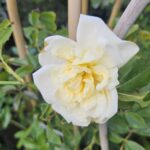
Flowering: Fragrant pink buds turn to white blossom in spring
Fruiting: Crimson crab apples in autumn
Habit: Spreading rounded habit
Growth: Average
Fragrance: Yes
Hardiness: Fully hardy
Benefits to Wildlife: Bees, birds, butterflies, and small creatures
Height & Spread in Maturity: 4-5m x 3.5-3m