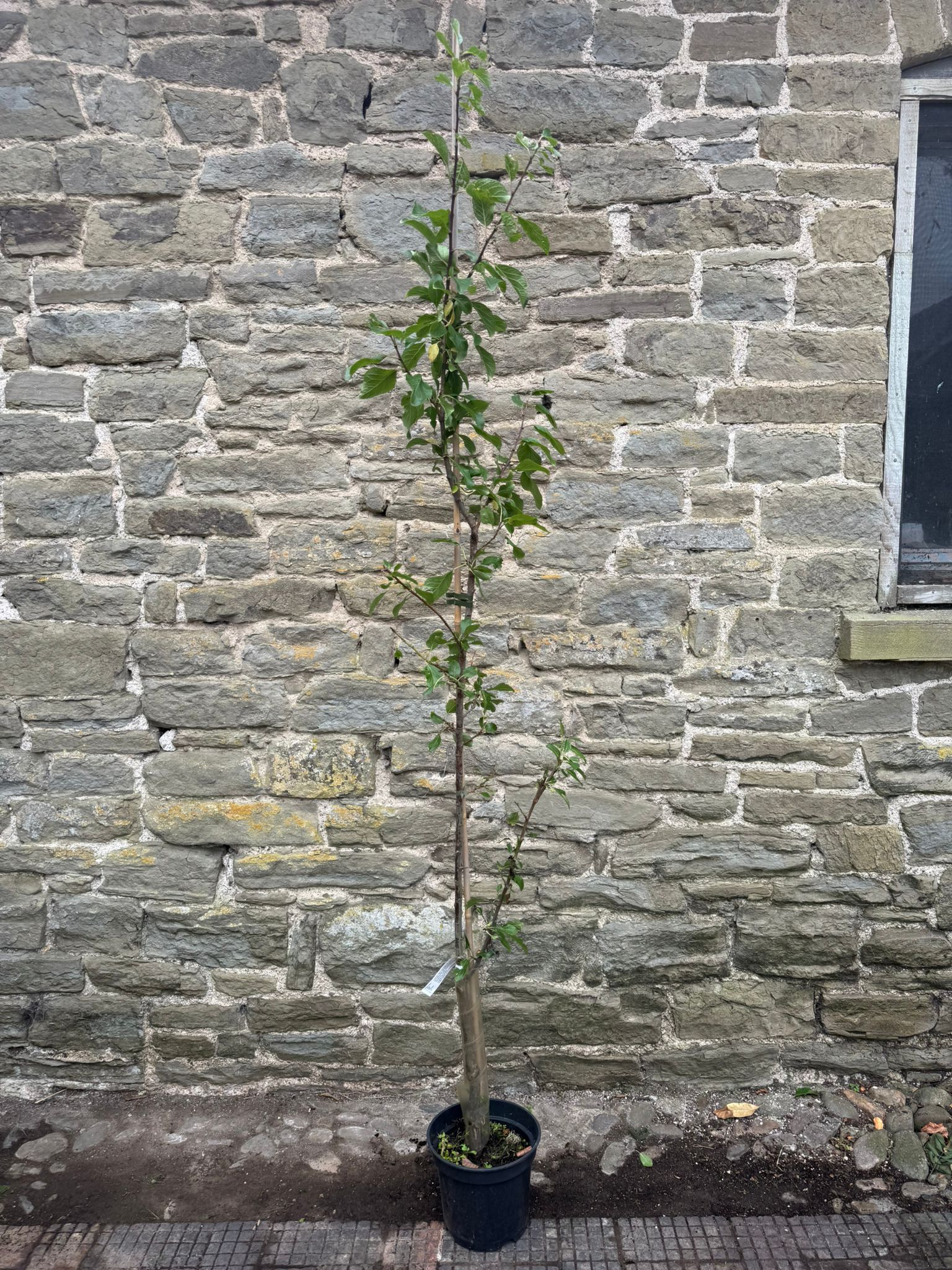
Cambridge Gage Trees
£67.50
Details:
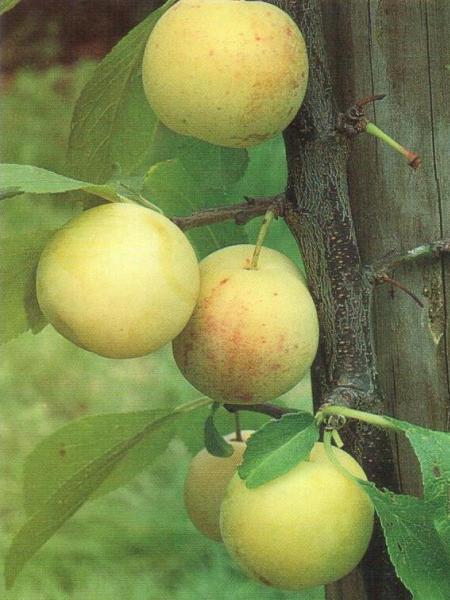
Cambridge Gage is a greengage with a translucent melting tender green fruit turning yellow and delicious honey flavour. A small self-fertile tree, it needs a sheltered sunny position producing reliable cropping in late summer. This Greengage tree provides nectar and pollen for bees and other insects, with the fruit being helpful to our birds and small wildlife.
| Bees, Birds, Wildlife | |
| White | |
| Apr, May | |
| Aug, Sep | |
| Broad | |
| Hardy (Cold winter) | |
| 1-2m, 3-5m | |
| Green | |
| Full Sun, Partial Sun | |
| Pollination Group 3, Self Fertile | |
| Sheltered, Some Protection | |
| Acidic, Chalky / Alkaline, Clay, Most soils, Neutral, Well-drained |

Description
Cambridge Gage is a Greengage with a translucent melting tender green fruit turning yellow and delicious honey flavour. A small self-fertile tree, it needs a sheltered sunny position producing reliable cropping in late summer.
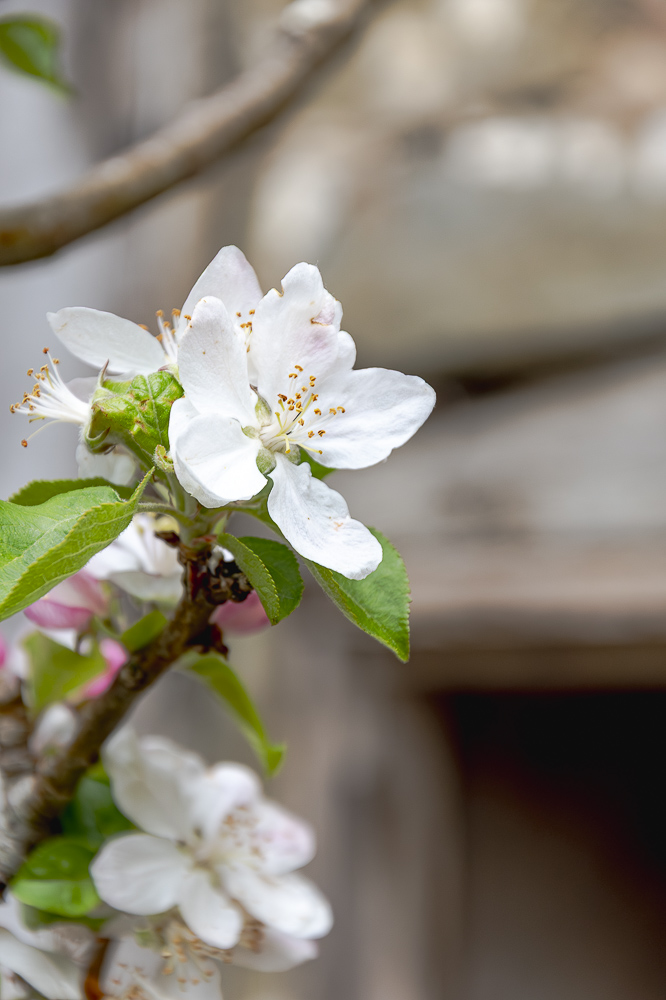
With similar characteristics to the Old Greengage, Cambridge has lovely white blossom in late spring which helps escape spring frosts with the leaves giving a good autumn colour. Gage tree likes moist, well-drained soil in full sun. It will grow on clay, chalk/limestone and light sandy soil. Water in dry periods.
Prunus domestica Cambridge Gage does need time to establish a good crop of fruit. Often Czar or Opal Plums are helpful pollinator. Cambridge provides nectar and pollen for bees and other insects with the fruit being helpful to our birds and small wildlife.
Rootstock: Brampton. Prune gently if necessary.
Cultivation: Self-fertile, cottage, informal, wildlife gardens.
Soil: Moist, well-drained – chalk/limestone, sand, clay
Position: Sheltered sunny, south or west facing
Foliage: Deciduous
Flowering: Cambridge Gage has white blossom in late spring
Fruiting: August/September
Habit: Small, round head growth
Hardiness: The Gage tree is hardy but needs protection
Growth: Medium
Benefits to Wildlife: Bees, butterflies, birds
Height & Spread in Maturity: 3-3.5m x 2.5m