 Attracts Attracts | Bees, Birds, Wildlife |
|---|---|
 Blossom Colour Blossom Colour | White |
 Flowering Period Flowering Period | Apr, Mar, May |
 Habit (Shape) Habit (Shape) | Broad |
 Hardiness Hardiness | Hardy (Cold winter) |
 Height (when grown) Height (when grown) | 5-7m |
 Leaf Colour Leaf Colour | Green |
 Lighting Lighting | Full Sun, Partial Sun |
 Position Position | Exposed, Sheltered |
 Soil Type Soil Type | Acidic, Chalky / Alkaline, Clay, Most soils, Well-drained |
| Fruiting Period | Aug, Dec, Nov, Oct, Sep |
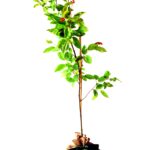
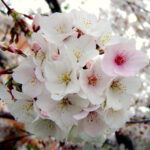
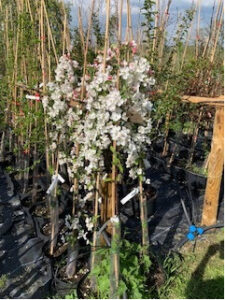
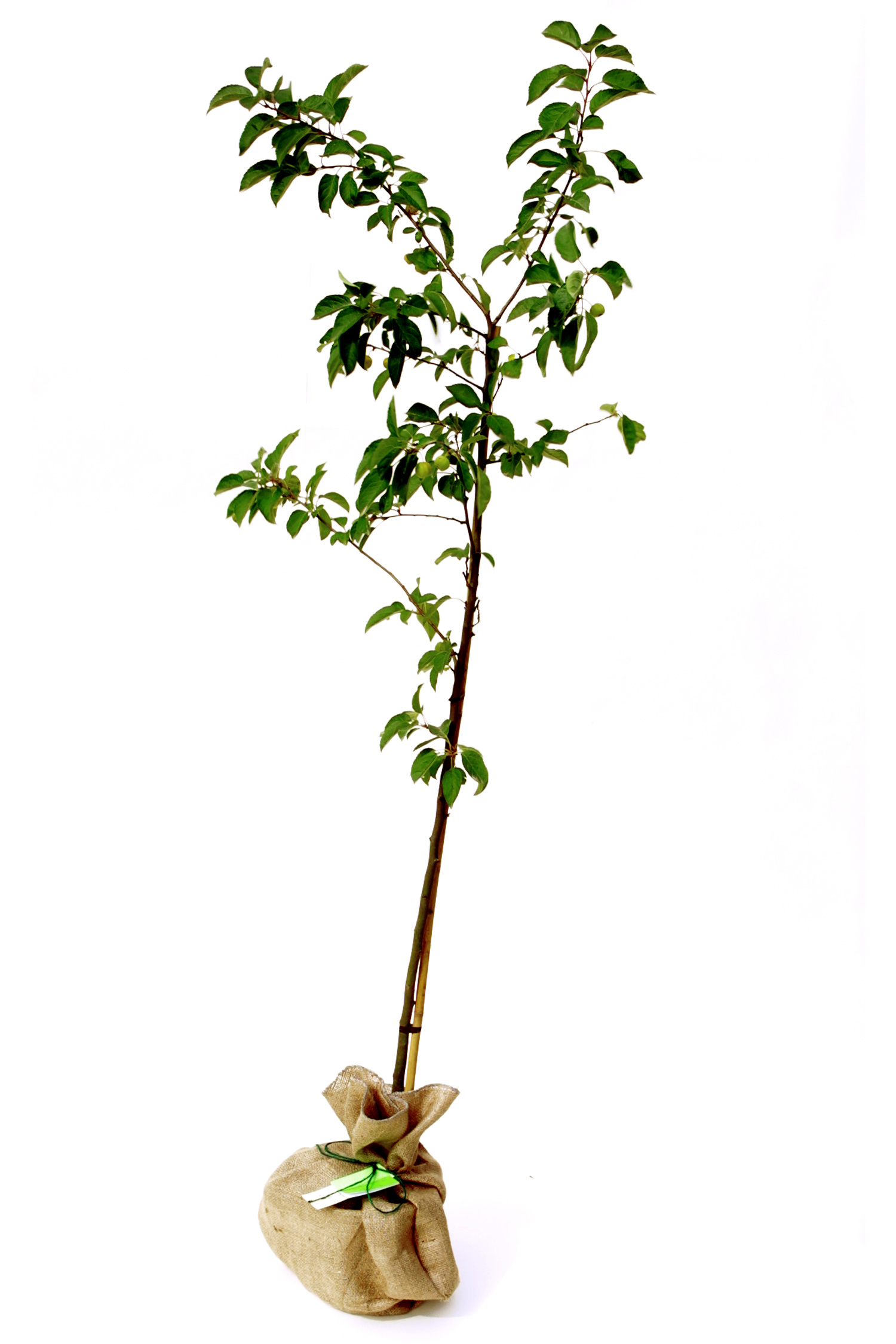
Crab apple Evereste is delightful small tree with a broadly conical outline, dazzling large white flowers in April, opening from scarlet buds fading to pink. Dark green deciduous leaves change to a yellow bronze in autumn followed by wonderful red-flushed, orange yellow crab apples, often remaining on the bare branches into winter. The fruit can be used for jellies and sauces.
Crab apples give year-round pleasure, provide shelter and habitat with their nectar, pollen and seeds. The flowers and fruit being very helpful to wildlife, bees, beneficial insects, birds and butterflies/moths. Drought tolerant, grow in sun or partial shade in moist well-drained moderately fertile soil. Loam chalk sand and clay.
Cultivation: Good for smaller gardens, city, country, courtyard & cottage
Soil: Moist, fertile, well drained. Loam, clay, chalk, sand
Position: Sun, partial shade. All aspects
Foliage: Deciduous, dark green change to yellow bronze in autumn
Flowering: Beautiful large flowers in April
Fruiting: Red-flushes, orange yellow crabs in autumn
Habit: Broadly conical
Hardiness: Broadly conical
Growth: Vigorous
Benefits to Wildlife: Excellent
Height & Spread in Maturity: 5-6m x 4m
History: Malus Evereste was named after Eve Reste, not the mountain! And has the RHS Garden of Merit.